Get in touch today for a FREE quotation: 01604 877977
 Door Designer
Get in touch today for a FREE quotation: 01604 877977
Published on 18 September 2024
Posted in
Choosing the right windows for your home is a crucial decision that impacts not only the aesthetics of your living space but also its energy efficiency and overall comfort. Windows serve as the eyes of your home, allowing natural light to flood in while offering views of the outside world. They play a significant role in maintaining indoor temperature, reducing energy costs, and enhancing the overall ambiance of your living spaces. This comprehensive guide will walk you through the process of selecting the perfect windows for your home, ensuring you make an informed decision that you’ll be satisfied with for years to come.
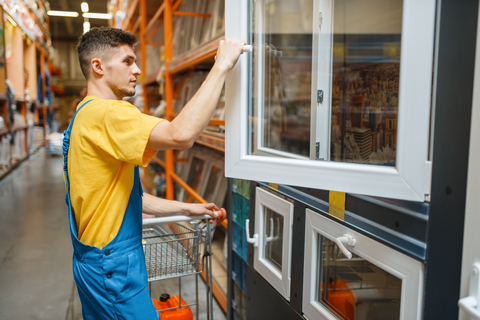
Before diving into the world of window options, it’s essential to evaluate your specific needs and requirements. Consider the primary purpose of the windows in different areas of your home. Are you looking to maximise natural light in your living room? Do you need improved ventilation in your kitchen? Perhaps you’re aiming to reduce outside noise in your bedroom?
Take the time to assess each room individually:
By identifying the specific needs of each space, you’ll be better equipped to choose windows that enhance the functionality and comfort of your home.
There are several types of windows available, each with its own set of characteristics, advantages, and potential drawbacks. Understanding these options is crucial in making the right choice for your home.
| Window Type | Description | Pros | Cons |
| Casement Windows | Hinged on one side and open outward like a door or top hung | – Excellent ventilation- Tight seal when closed- Easy to clean | – Can be obstructed by outdoor furniture- May be difficult to fit with window AC units |
| Sliding Sash Windows | Two sashes that slide vertically past each other | – Classic look- Good for vintage homes- Easy to use | – Can be draughty if not properly maintained- May require more effort to clean |
| Aluminium Windows | Windows with aluminium frames | – Durable and low maintenance- Slim profiles for modern look- Recyclable | – Less energy efficient than other materials- Can conduct heat/cold |
| Lantern Roof Windows | Raised roof structure with windows | – Adds architectural interest- Brings in lots of natural light- Great for flat roofs | – Can be expensive- May require additional structural support |
| Tilt and Turn Windows | Can be opened two ways: tilted inward from the top or opened fully like a casement | – Versatile and easy to clean- Excellent ventilation options- Enhanced security | – More expensive than standard windows- Complex mechanism may require more maintenance |
The material of your window frames plays a significant role in their performance, durability, and appearance. Here are the most common frame materials to consider:
In today’s energy-conscious world, choosing energy-efficient windows is more important than ever. Energy-efficient windows can significantly reduce your heating and cooling costs while improving the comfort of your home.
Look for windows with British Standards Institution (BSI) Kitemark, This certification guarantees that products meet rigorous standards set by the BSI.
Key features that enhance window energy efficiency include:
The type of glass you choose can greatly impact your windows’ performance:
Additional glass features to consider include:
Your windows should complement your home’s architecture and enhance its curb appeal. Consider these factors:
Window replacement can be a significant investment, so it’s crucial to establish a budget early in the process. Here are some factors that influence the cost:
When budgeting, consider the long-term value of your investment. Higher-quality windows may cost more upfront but can provide better energy efficiency, durability, and aesthetic appeal over time.

Ready to explore your window options? MG Windows invites you to check out their wide range of high-quality windows that cater to various styles, needs, and budgets; explore our unique finance calculator feature to go light on your pocket. Our experienced team is here to guide you through the selection process and ensure you find the perfect windows for your home. Contact us today for a consultation and take the first step towards enhancing your home with beautiful, efficient windows that you’ll love for years to come.

© 2025 MG Window Systems | Company no: 04494650 | VAT reg no: 695 5134 07
Web Design and Marketing by Loop Digital